

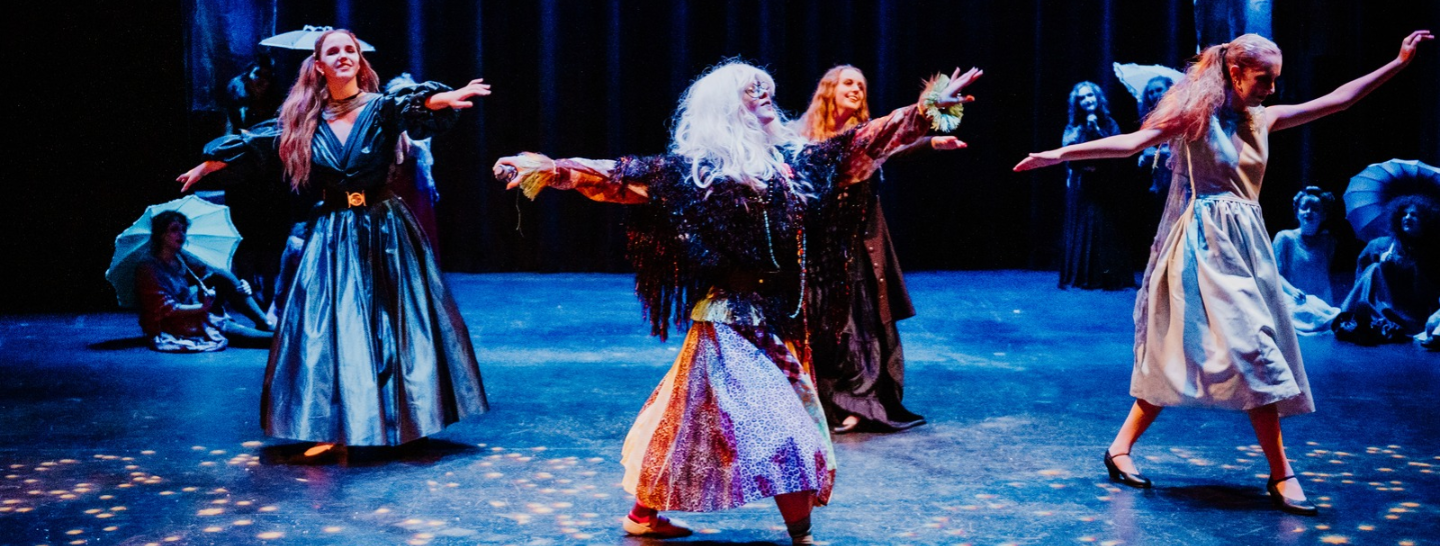
Musical theatre asks performers to do three things at once and make it look effortless.
Singing, acting and dancing all at the same time is one of the biggest challenges in the performing arts, and one of the most rewarding. Here’s what musical theatre classes can teach young performers, why the work doesn’t stop when class ends, and how to get started this January.
The triple threat
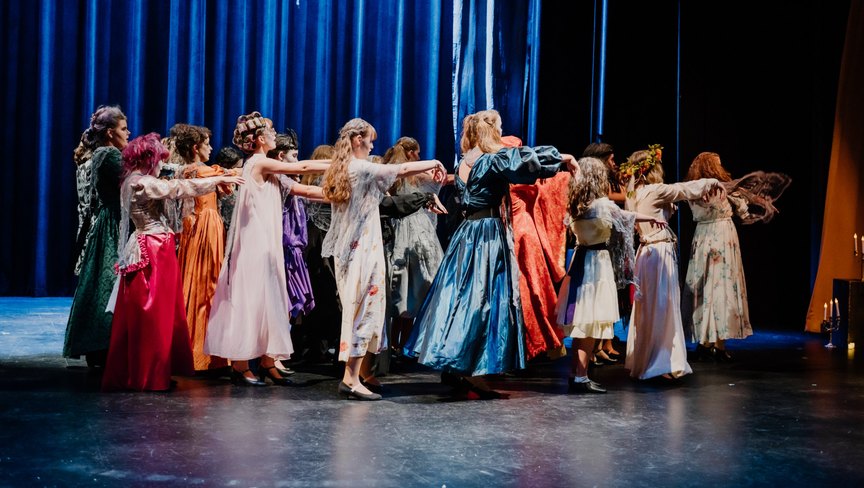
In musical theatre, the song is the scene. A character bursts into song when their feelings are too big for words, and the dance carries the story forward when even singing isn’t enough. That means a performer has to master three crafts and then weave them together so seamlessly that the audience forgets they’re watching skill at all.
More than show tunes
Musical theatre builds so much more than performance skills. Young performers learn confidence from singing on their own in front of others, discipline from drilling choreography until it’s second nature, teamwork from blending voices in harmony and moving as an ensemble, and resilience from flubbing a lyric, laughing it off and trying again. They also learn to listen closely to the music, to their scene partners and to themselves.
Musical theatre isn’t easy. That’s exactly what makes it so rewarding.
Let’s be honest
The performers who make it look easy have put in countless hours to get there. Voices are instruments that grow stronger with regular, healthy use. Choreography sticks through repetition. And a song only becomes a story once the notes and lyrics are so familiar that the performer is free to act it.
Class is where the skills are taught, coached and polished, but real progress happens when young performers keep practising between classes. A little practice most days goes much further than a big cram session the night before!
Practice at home
Winter/Spring 2027
Ready to sing, act and dance your way into the new year? Our Winter/Spring classes and private voice lessons give young performers the coaching, structure and community they need to grow.
Good to know
Pair it up: Many musical theatre students add private voice lessons to build their singing skills between group classes.
Making it accessible: We offer sibling discounts, multi-session savings and financial aid. Learn about tuition support & savings.
Take your bow in 2027!
Find the perfect musical theatre class for your young performer


